
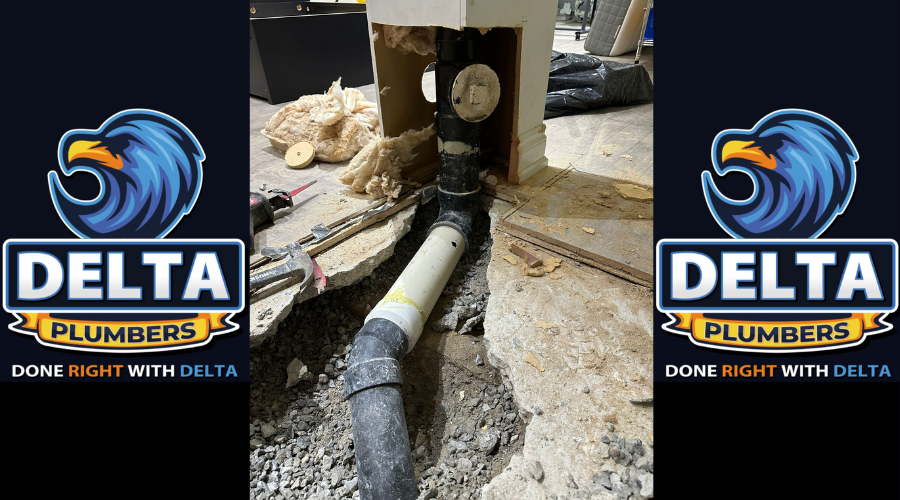
Plumbing is an essential part of any home, yet it’s often out of sight and out of mind until a problem arises. Aging or damaged plumbing pipes can lead to various issues, from leaks to water contamination, making it crucial for homeowners to recognize when it’s time to replace their plumbing system. In this comprehensive guide, we will explore the key signs that indicate your plumbing pipes need to be replaced, the importance of timely action, and how Delta Plumbers can help ensure your home remains safe and functional.

Picture Source – Delta Plumbers
How Do I Know If My Pipes Need to Be Replaced?
Identifying when your pipes need to be replaced is critical in preventing costly repairs and potential damage to your home. Here are some of the most common signs that indicate it’s time to consider pipe replacement:
1. Frequent Leaks:
If you find yourself constantly dealing with leaks, it’s a clear indication that your pipes are deteriorating. While occasional leaks can be fixed with a simple repair, frequent leaks suggest that the pipes have reached the end of their lifespan.
2. Discolored Water:
Brown or yellow-tinted water coming from your taps is a sign of rust and corrosion inside the pipes. This not only affects water quality but also indicates that the pipes are breaking down and need replacement.
3. Low Water Pressure:
A sudden drop in water pressure can be caused by several factors, but if it’s persistent, it may be due to blockages or buildup within old pipes. Replacing the pipes can restore proper water flow.
4. Noisy Pipes:
Strange noises like banging or rattling can signal that your pipes are loose or have developed issues that may require replacement. These noises often occur when the water flow is obstructed or when the pipes are deteriorating.
5. Visible Corrosion:
If you notice rust, flaking, or discoloration on exposed pipes, it’s a sign that the material is degrading. Corroded pipes are more likely to leak or burst, making replacement a necessary step.
6. Water Damage:
Stains or moisture on walls, ceilings, or floors can indicate hidden leaks within the plumbing system. Over time, this can lead to structural damage and mold growth, making pipe replacement crucial.
7. Age of the Pipes:
The age of your plumbing system plays a significant role in its functionality. If your home is over 50 years old and still has the original pipes, it’s likely time for an upgrade, especially if they are made of outdated materials like galvanized steel.
Also Read: Water Heater Installation and Maintenance Tips

Picture Source – Delta Plumbers
When to Replace Plumbing Pipes?
Timing is everything when it comes to replacing plumbing pipes. Here are the factors to consider when determining the right time for replacement:
1. Material of the Pipes:
Different materials have varying lifespans. For example, galvanized steel pipes typically last 20-50 years, while copper pipes can last up to 70-80 years. Understanding the material of your pipes will help you gauge when they need to be replaced.
2. Extent of Damage:
Minor issues like small leaks or localized corrosion can often be repaired without replacing the entire plumbing system. However, if the damage is widespread or recurring, a full replacement may be the best option.
3. Home Renovations:
If you’re planning a major renovation that involves opening up walls or floors, it may be an opportune time to replace old pipes. This proactive approach can save you money in the long run by avoiding future plumbing issues.
4. Water Quality Concerns:
If you notice a decline in water quality, such as a metallic taste or unusual odors, it may be due to deteriorating pipes. Replacing the pipes can help restore clean, safe water to your home.
5. Professional Assessment:
Regular plumbing inspections by a professional can help identify issues before they become major problems. If a plumber advises that your pipes are nearing the end of their lifespan, it’s wise to follow their recommendation and plan for replacement.
Also Read: Regular Plumbing Maintenance: Why It Is Important

Picture Source – Delta Plumbers
How Can You Tell If You Have Bad Pipes at Your House?
Bad pipes can lead to numerous problems, from water damage to health hazards. Here are the key indicators that your home may have bad pipes:
1. Frequent Clogs:
Persistent clogs in sinks, toilets, or drains can be a sign of bad pipes. This could be due to the buildup of mineral deposits, rust, or other debris within the pipes, restricting water flow.
2. Foul Smells:
Unpleasant odors coming from your taps or drains could indicate that your pipes are contaminated or that there’s a blockage causing stagnant water. This is a clear sign that the pipes need to be inspected and possibly replaced.
3. Water Discoloration:
As mentioned earlier, discolored water is a major red flag. It not only suggests that the pipes are corroded but also that the water passing through them is picking up rust and other contaminants.
4. Strange Noises:
Pipes that make banging, clanking, or gurgling sounds are often a sign of trouble. These noises can indicate that the pipes are loose, have air pockets, or are suffering from pressure issues, all of which may require replacement.
5. Visible Signs of Deterioration:
If you notice any visible signs of wear and tear, such as rust, cracks, or bulging in the pipes, it’s a strong indication that the pipes are in bad shape. These issues can lead to leaks or bursts if not addressed promptly.
6. High Water Bills:
An unexplained increase in your water bill could be a sign of a hidden leak within the plumbing system. Bad pipes often result in water wastage, leading to higher utility costs.
Also Read: Right Plumber for Your Needs: How to Choose Best

Picture Source – Delta Plumbers
What Is the Life Expectancy of Plumbing Pipes?
Understanding the life expectancy of different plumbing materials can help you determine when it’s time to replace them. Here’s a breakdown of common pipe materials and their typical lifespans:
1. Galvanized Steel:
These pipes have a lifespan of 20-50 years. Over time, they are prone to rust and corrosion, which can lead to leaks and water quality issues.
2. Copper:
Copper pipes are known for their durability and can last up to 70-80 years. However, they are susceptible to corrosion if the water is highly acidic.
3. Brass:
Brass pipes are durable and can last anywhere from 40 to 70 years. They are less likely to corrode and are a popular choice for plumbing systems.
4. PVC:
PVC pipes are commonly used for drain lines and have a lifespan of 25-40 years. They are resistant to corrosion but can become brittle over time, especially if exposed to UV light.
5. PEX:
PEX pipes are flexible plastic pipes with a lifespan of 40-50 years. They are resistant to scale and chlorine, making them a popular choice for modern plumbing systems.
6. Cast Iron:
Cast iron pipes are often used for sewer lines and can last 75-100 years. However, they are prone to rust and may require replacement sooner if they develop significant corrosion.
Knowing the life expectancy of your pipes can help you plan for replacement before issues arise. Regular inspections and maintenance can also extend the lifespan of your plumbing system.
Also Read: Common Plumbing Problems and How to Fix Them

Picture Source – Delta Plumbers
How Do I Know If My Pipes Are Old?
Determining the age of your pipes is crucial in assessing their condition and planning for replacement. Here are some ways to tell if your pipes are old:
1. Review Home Records:
If you have access to your home’s original building plans or maintenance records, you can check the age of the plumbing system. This information can give you an idea of when the pipes were installed and whether they are nearing the end of their lifespan.
2. Inspect the Pipes:
Visually inspecting exposed pipes can provide clues about their age. Look for signs of corrosion, rust, or discoloration, which are common in older pipes.
3. Water Quality Issues:
As pipes age, they are more likely to corrode, leading to water discoloration and a metallic taste. If you’ve noticed a decline in water quality, it could be due to old pipes.
4. Frequent Repairs:
If you find yourself frequently repairing leaks or dealing with plumbing issues, it could be a sign that the pipes are old and failing. Over time, the cost of repairs can add up, making replacement a more cost-effective solution.
5. Consult a Professional:
A professional plumber can assess the condition of your pipes and provide an estimate of their age. They can also recommend whether it’s time for replacement based on their findings.
Also Read: Leaky Faucet: How to Prevent and Fix

Picture Source – Delta Plumbers
Does My House Need to Be Replumbed?
Replumbing your house is a significant investment, but it may be necessary if your plumbing system is outdated or failing. Here are some scenarios in which your house may need to be replumbed:
1. Extensive Corrosion:
If your pipes are extensively corroded or deteriorating, replacing individual sections may not be enough. In such cases, a full replumbing may be necessary to ensure the integrity of the system.
2. Persistent Plumbing Issues:
If you are constantly dealing with leaks, clogs, or water pressure problems, it may be a sign that your plumbing system is failing. Replumbing can address these issues and provide a long-term solution.
3. Outdated Materials:
Homes with outdated plumbing materials, such as galvanized steel or lead pipes, may need to be replumbed to ensure safety and compliance with modern building codes.
4. Major Renovations:
If you are undertaking a major renovation that involves opening walls or floors, it may be an ideal time to replumb the house. This can prevent future plumbing issues and increase the value of your home.
5. Water Quality Concerns:
If you have concerns about water quality due to old or corroded pipes, replumbing can provide peace of mind and improve the safety of your drinking water.
Also Read: Faucet Installation: A Comprehensive Guide by Delta Plumbers

Picture Source – Delta Plumbers
How Many Hours Does It Take to Repipe a House?
The time required to repipe a house depends on several factors, including the size of the house, the complexity of the plumbing system, and the materials used. Here’s a general overview of what to expect:
1. Small Homes:
For smaller homes with a straightforward plumbing system, repiping can take anywhere from 2 to 4 days. This includes removing old pipes, installing new ones, and restoring any affected areas.
2. Medium-Sized Homes:
Repiping a medium-sized home typically takes 4 to 7 days. This time frame allows for the replacement of pipes in multiple areas of the house, such as the kitchen, bathrooms, and laundry room.
3. Large Homes:
Larger homes with complex plumbing systems may require 7 to 10 days or more to complete the repiping process. This is due to the increased number of pipes and the need for more extensive work.
4. Factors Affecting Time:
Several factors can influence the time it takes to repipe a house, including the type of pipes being replaced, the accessibility of the plumbing system, and any unforeseen issues that arise during the process.
5. Professional Services:
Hiring a professional plumbing service like Delta Plumbers ensures that the repiping process is completed efficiently and with minimal disruption to your daily life. Experienced plumbers can also provide accurate time estimates based on the specific needs of your home.
Conclusion
Recognizing the signs that your plumbing pipes need to be replaced is essential in maintaining the safety and functionality of your home. From frequent leaks to discolored water, these issues can indicate that your pipes are reaching the end of their lifespan. By understanding the factors that influence when to replace pipes and how to identify bad or old pipes, you can take proactive steps to protect your home from potential damage.
At Delta Plumbers, we specialize in providing expert plumbing services, including pipe replacement and repiping. Our team of experienced professionals is dedicated to ensuring that your home’s plumbing system is in top condition. If you suspect that your pipes need to be replaced, contact us today for a thorough inspection and personalized recommendations. Don’t wait until a small issue becomes a major problem—let Delta Plumbers help you keep your home’s plumbing system running smoothly for years to come.


